
There is abundant water in mountain springs, streams, and underground aquifers across Kasese District. However, limited funding prevents communities from accessing this safe water.
The basic needs of the people are enormous and are increased by calamities such as drought and epidemics. At present, the single most important task facing KARUDEC is making clean water accessible in the whole district. No homes have indoor plumbing.
Imagine the time and effort consumed in obtaining water, frequently contaminated, and in quantities far below that considered minimal by the World Health Standard of 35 liters per person per day. The average in Kasese District is 10 liters a day. The amount is equivalent to flushing a western toilet 1.5 times. The walking distance to obtain clean water is often several miles. And, the amount obtained is only equal to what an adult or child can carry (one gallon weighs approximately 8 lbs.)
Therefore KARUDEC and her partners have taken it upon themselves with God at the Centre to ensure communities in Kasese access clean and safe water and these communities include Schools, places of worship, Health facilities, business centers and homes.KARUDEC encourages community sharing of the available resources, a water point provided by KARUDEC is not owned by an individual person or a home but by the entire community.
THE COST OF CONTAMINATED WATER
It is no wonder that many families rely on contaminated streams near their homes. As a result, water-related diseases such as diarrhea, infestation with worms and other parasites, cholera and typhoid fever are common. These diseases flourish even more as a result of inadequate sanitary facilities. Less than a third of the households have latrines.
KARUDEC, together with its partners, appeals for continued financial and technical support to expand clean water infrastructure. Your support will directly improve health, reduce disease, restore dignity, and transform lives in Kasese District and beyond.
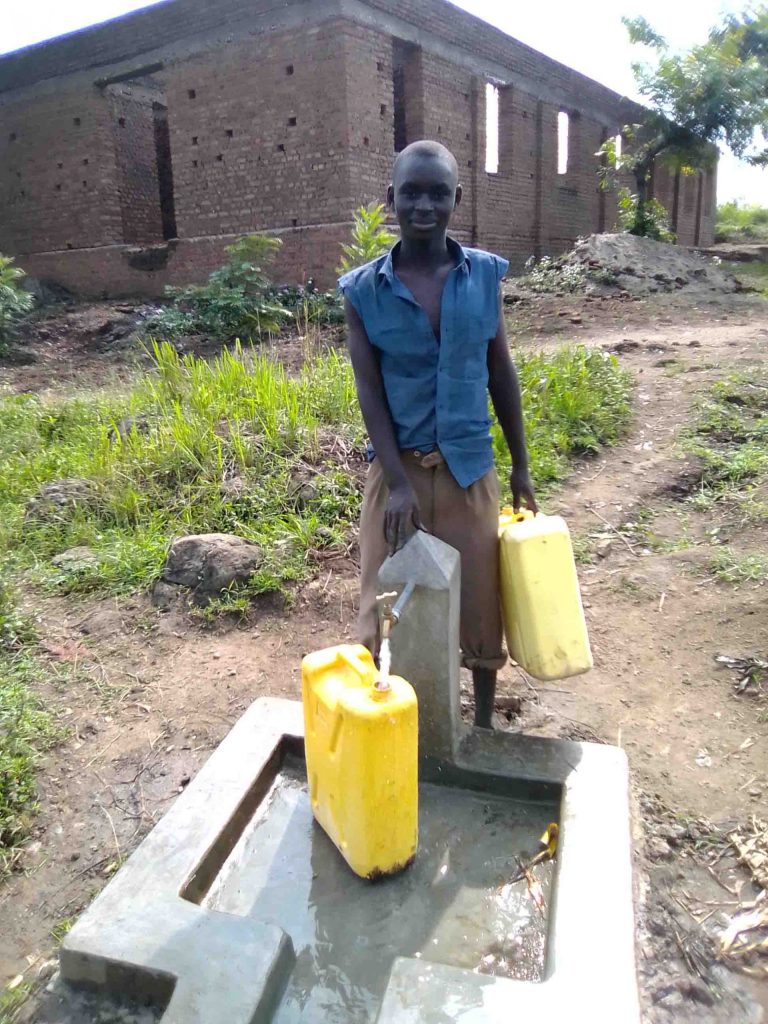
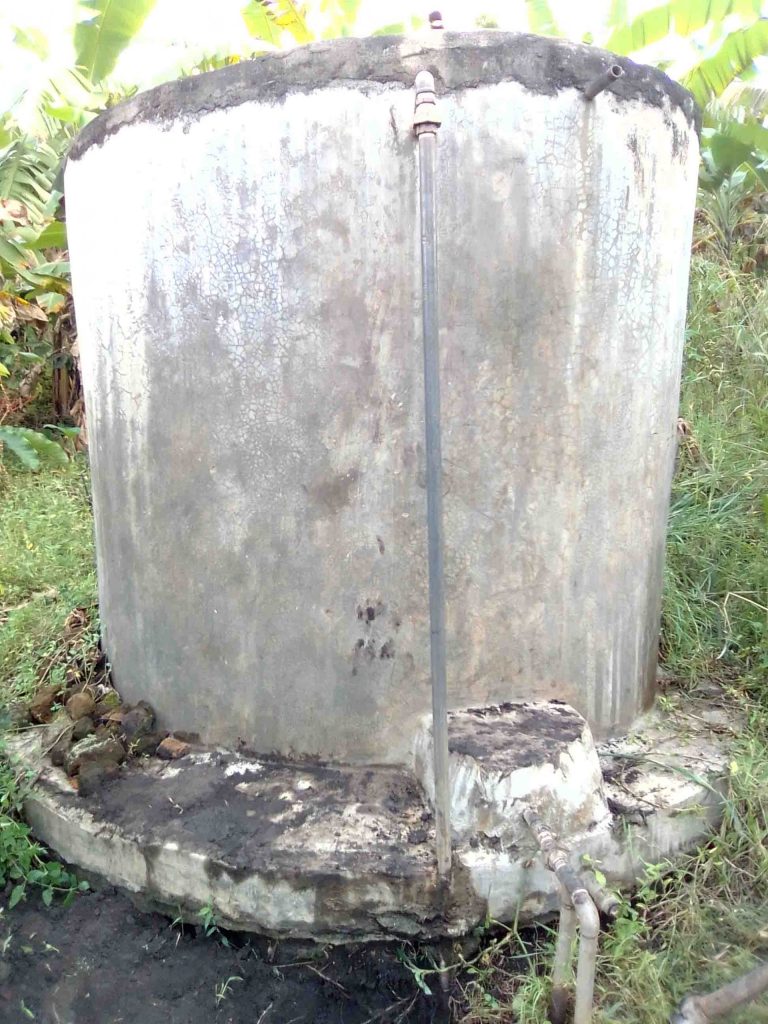
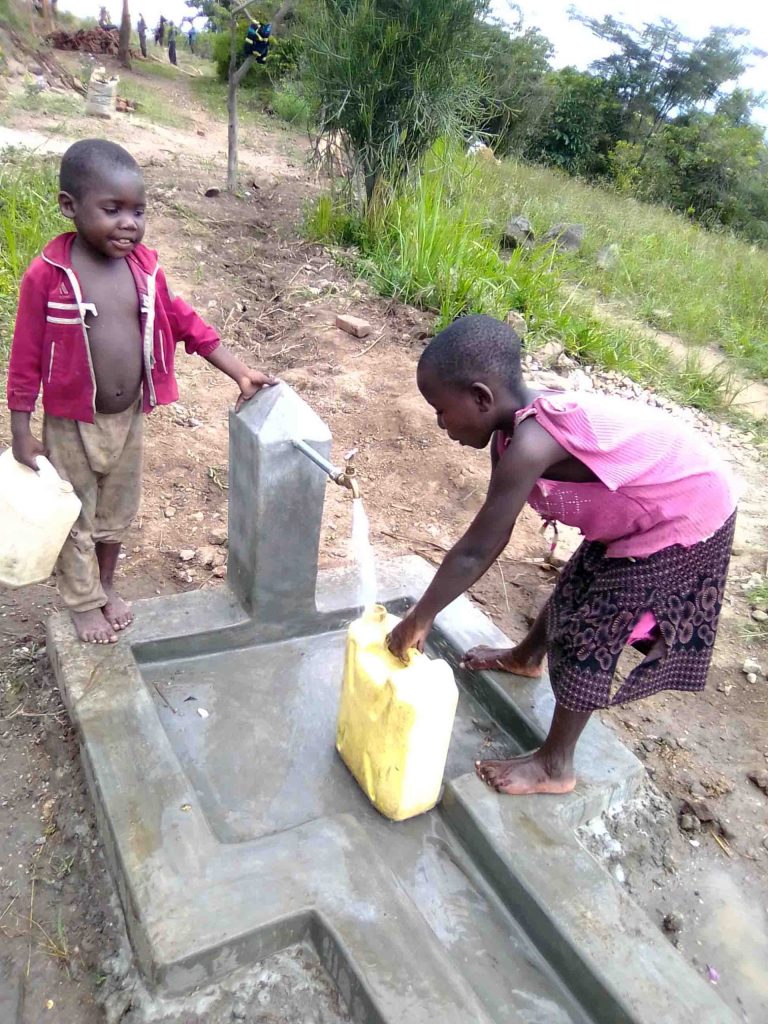
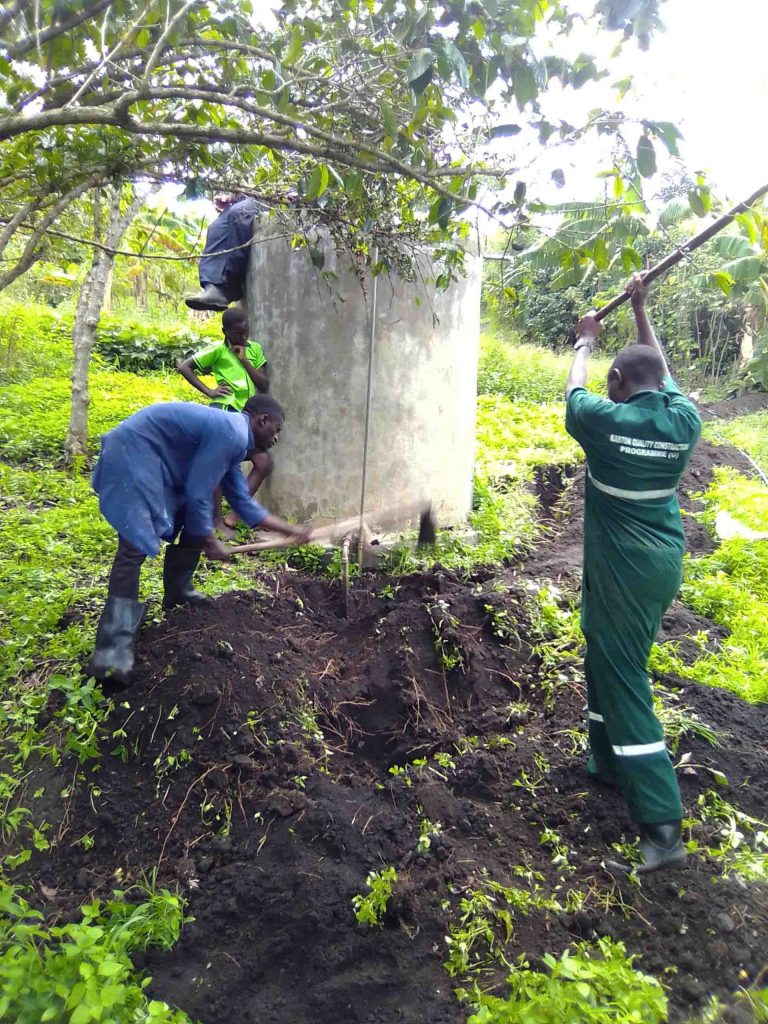
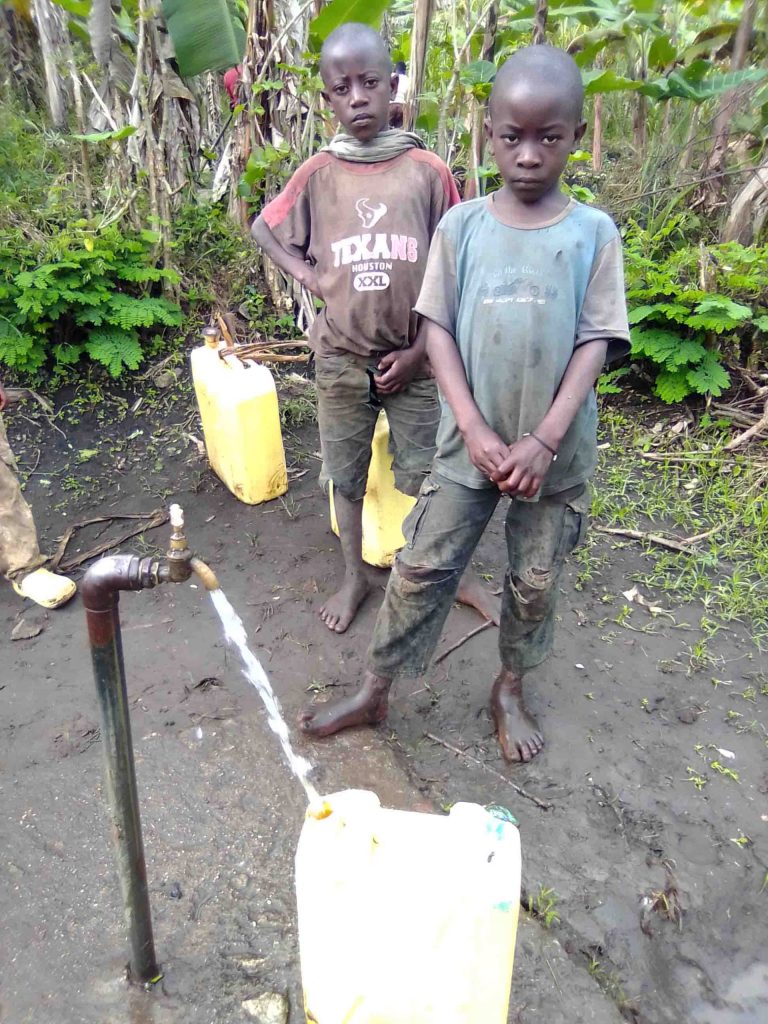
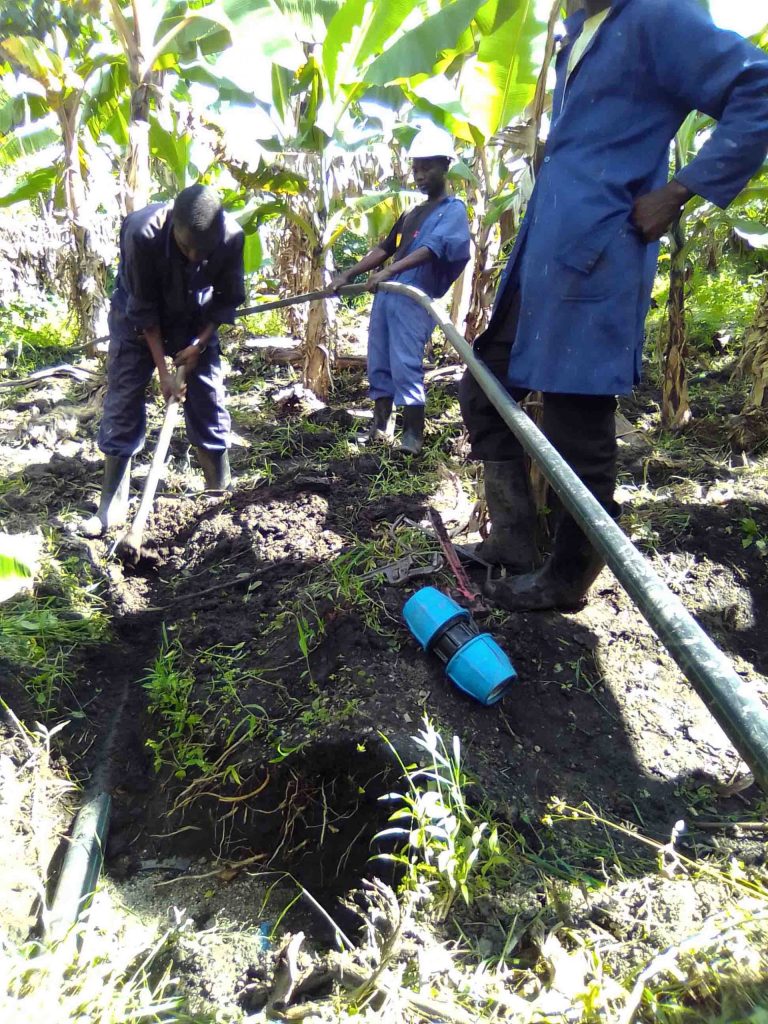
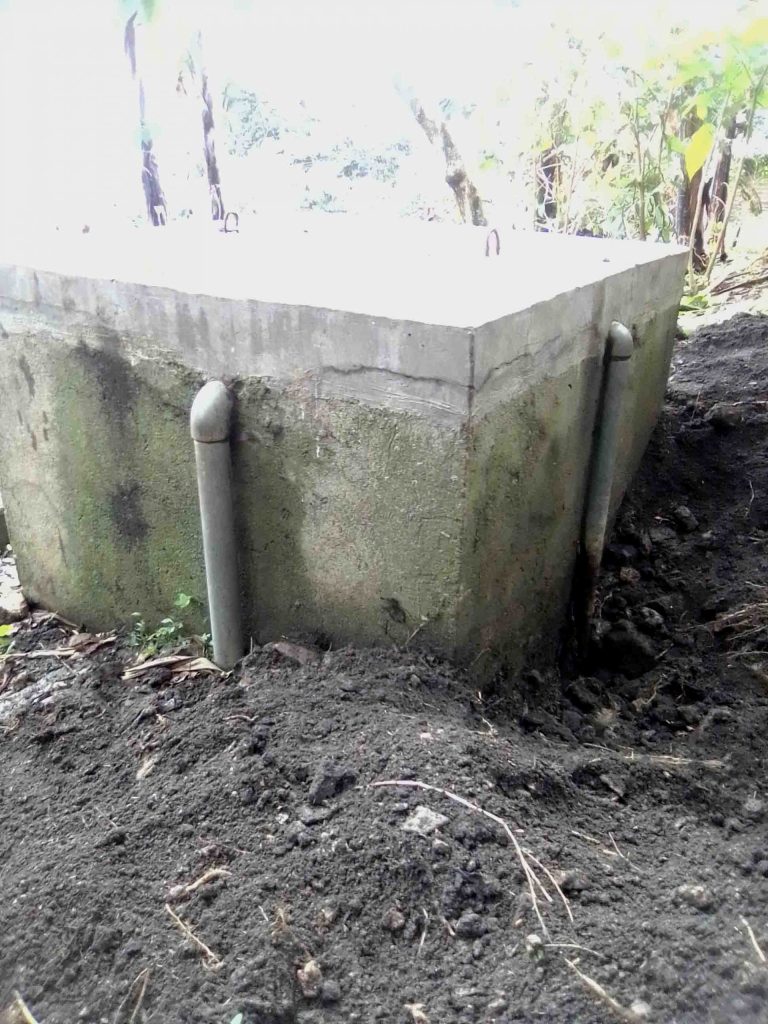
There is abundant water in mountain springs, streams, and underground aquifers across Kasese District. However, limited funding prevents communities from accessing this safe water. KARUDEC’s urgent goal is to channel this water through gravity flow systems and pipe it to a single, sanitary outlet within 0.5 kilometers of households served.
Community water projects are designed to deliver significant health and social impact, including:
KARUDEC has implemented several gravity flow schemes, including:
These projects have improved access to clean water in several communities, though demand continues to exceed supply.
KARUDEC remains committed to extending clean and safe water access to all underserved communities. Continued partnership support and resource mobilization are essential to expand water infrastructure and ensure sustainable coverage across the district.
Kagando Hospital’s water demand continues to increase due to rising patient numbers, expanding infrastructure, staff, and visitors. The current water supply system is under pressure, leading to occasional shortages and disruptions.
Management and the Board are actively mobilizing resources to identify and develop additional water sources to strengthen the hospital’s water supply system and ensure reliable service delivery.
Kasese District, located in the Rwenzori Region, is highly vulnerable to climate change effects such as floods and landslides. Many communities, especially in hilly and hard-to-reach areas, still rely on contaminated water sources.
This has resulted in a high prevalence of waterborne diseases such as diarrhea, cholera, typhoid, and parasitic infections among patients seeking care at Kagando Hospital.
Heavy rains, such as those experienced between March and May 2024, have previously damaged key water infrastructure, including the River Rwembyo supply line. This disruption left both the hospital and surrounding communities without water for several days and contributed to loss of lives, destruction of homes, and displacement of families.
Although partners such as Friends of Kagando (UK) and Rwenzori Women for Health have supported emergency relief efforts, water supply remains inconsistent and insufficient due to growing population needs and limited infrastructure coverage.
Many areas are still not served due to funding constraints, resulting in unequal access to clean and safe water across the region.
Adding {{itemName}} to cart
Added {{itemName}} to cart